
In the 5G era, the market prospects for smart metering and smart energy management are limitless.
2019-06-12
【 Summary 】 On July 18, China Mobile Tianjin Company and the Sino-Singapore Tianjin
On July 18, China Mobile Tianjin Company and the Sino-Singapore Tianjin Eco-City Smart City Center jointly released the deployment status of the 5G network in Tianjin, and there have been practical application results in smart water meters!
With strong support from Tianjin City, Tianjin Mobile has built and opened more than 500 5G base stations across the city. In 2019, Tianjin Mobile's investment scale will exceed 1 billion yuan for the construction of large-scale infrastructure, promoting full 5G network coverage for 4,500 communities and 4.6 million households in Tianjin.
On June 6, 2019, the Ministry of Industry and Information Technology issued formal 5G commercial licenses to China Mobile, China Telecom, China Unicom, and China Broadcasting Network. China directly skipped the pre-commercial license and issued the formal 5G commercial license, becoming the fifth country to announce 5G commercial use after South Korea, the United States, Switzerland, and the United Kingdom, joining the first tier of 5G!
Unlike the data generated by 2G, 3G, and 4G, 5G is a cross-era technology. In addition to providing an extreme experience and greater capacity, 5G will also open the era of the Internet of Everything and penetrate into various industries.
In the era of the Internet of Things, the energy metering industry still faces the following "pain points." First, poor network coverage. Smart meters are usually installed in closed environments, and network signals are often difficult to guarantee. If a network signal amplification solution is used, it may bring new problems such as signal interference. Second, massive access. Currently, the usage of water, electricity, gas, and heating meters is enormous, and traditional cellular networks have a limited number of connections per base station, making it difficult to meet the demand for a large number of smart meter connections. Third, poor security. The smart metering devices commonly used in the market still face many security challenges, such as the theft and duplication of IC cards, communication security in public network transmission (data theft, network attacks, data tampering, etc.), and the low adaptability and security protection level of private transmission protocols of energy companies.
Although the Internet of Things faces many development challenges in the field of smart metering, everything will be resolved with the arrival of 5G. With the advantages of 5G's high speed, ubiquitous network, low power consumption, and low latency, Xintian Technology will deploy 5G technology in the fields of smart water and smart gas, achieving real-time live broadcasting of energy operation sites, data synchronization, and other functions, allowing energy management companies to make smart decisions in a timely manner, speeding up the informatization level of smart metering and smart energy management, and truly experiencing the digital and intelligent services brought by IoT technology in energy management.
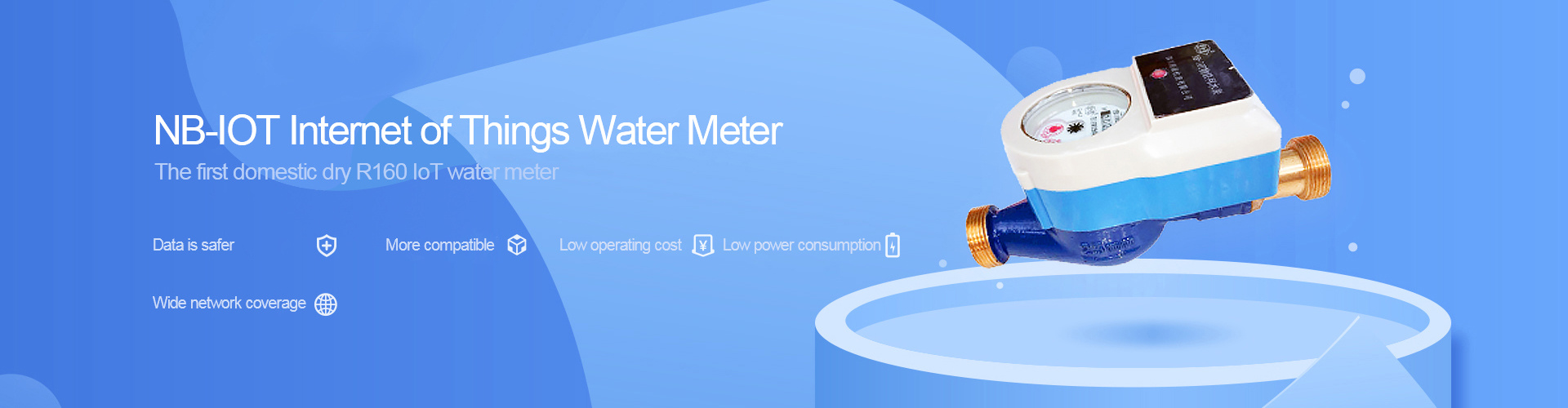
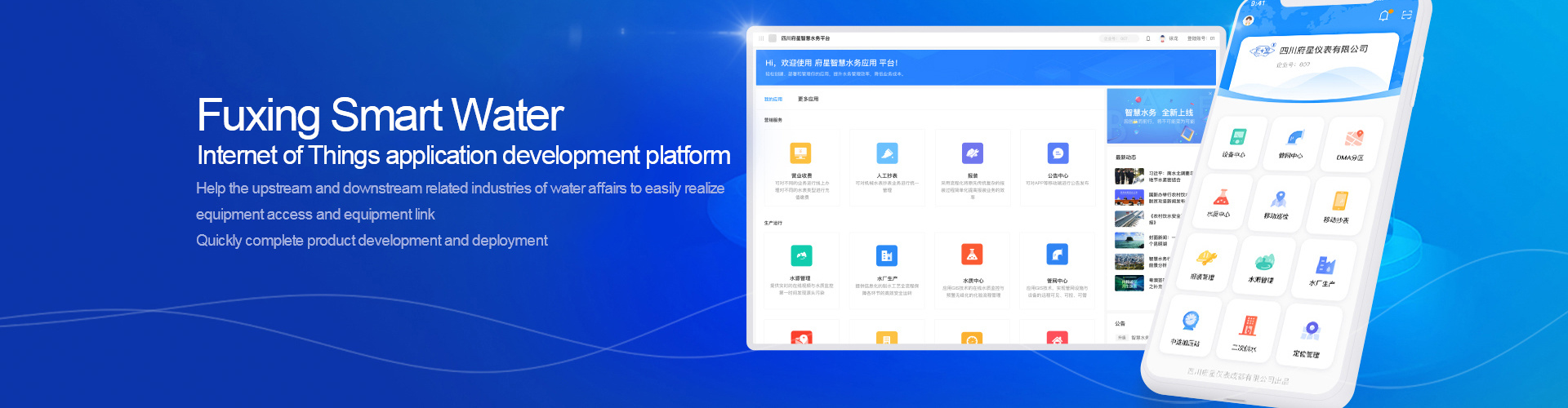
Currently, in the Fenghuangcheng community of Hexi District, Tianjin, matrix-type NB-IoT smart water meters based on 5G networks have been installed and applied. This will enable cloud monitoring of water usage data and smart metering, while allowing users to complete purchasing, warranty, and other livelihood services through a mobile APP with just a "light touch" of their fingertips.
In recent years, driven by policy and market factors, smart metering has developed rapidly. In 2015, the National Development and Reform Commission and the Energy Administration issued the "Guiding Opinions on Promoting the Development of Smart Grids," which clearly stated the need to support the centralized collection of water, electricity, and gas meters, build an integrated platform for dynamic data of cross-industry energy operations, and encourage the sharing of energy and information infrastructure.
Therefore, energy companies are actively transforming into the smart metering field. For example, the State Grid has listed the construction of "four-in-one" centralized automatic collection of water, electricity, gas, and heating meter data as one of its top ten key tasks. It can be said that in the 5G era, the market prospects for smart metering represented by smart water meters and smart gas meters are limitless.
Next Page

■
Notice of Admission Approved by the Water Meter Working Committee of the China Metrology Association
Notice of Admission Approved by the Water Meter Working Committee of the China Metrology Association
-
2021-09-15
■
The technical status and development direction of remote water meters
The current status and development of pulse remote water meters. Firstly,
■
On April 15, 2020, a work meeting on the construction of party conduct
■
In April, the Ganzi Plateau is still immersed in the chilly spring. In two months
■
On April 9, the Executive Deputy Commander of the Provincial Flood Control
■
The Water Resources Department has arranged and deployed the flood safety work for reservoirs.
In order to deeply implement the important speeches and instructions
national customer service hotline:028-82420313Address: Jiulian Village, Yongshang Town, Xinjin District, Chengdu City, Sichuan Province
Copyright©2025 Sichuan Fuxing Instrument Co., Ltd. All Rights Reserved Website:300.cn Privacy Policy

SAF Coolest v1.2 设置面板 GAGSE-ZGYF-JSSAE-ASW
无数据提示
Sorry, the current column has no content for the time being.!
You can view other columns or returnHome Page